


If you sit for eight hours a day, your chair stops being furniture.
It becomes equipment.
And with long workdays coding, editing, meetings, deep focus mesh chairs have quietly become the go-to choice for a reason: airflow and consistent support.
But not all mesh chairs are equal. You need to look for best mesh office chairs for long hours.
Some sag within a year.
Some lack lumbar adjustment.
Some look ergonomic but aren’t.
Let’s break down what actually matters and which types of mesh chairs hold up for real 6–10 hour days.
Why Mesh Chairs Are Popular for Long Hours
The biggest advantage?
Breathability.
Unlike leather or padded fabric, mesh allows air to circulate through the backrest. That reduces heat buildup, something you really notice by mid-afternoon.
The CDC notes that prolonged sitting already increases discomfort and fatigue over time. When heat retention is added, strain tends to increase.
Mesh reduces one variable: temperature.
But airflow alone doesn’t guarantee comfort.
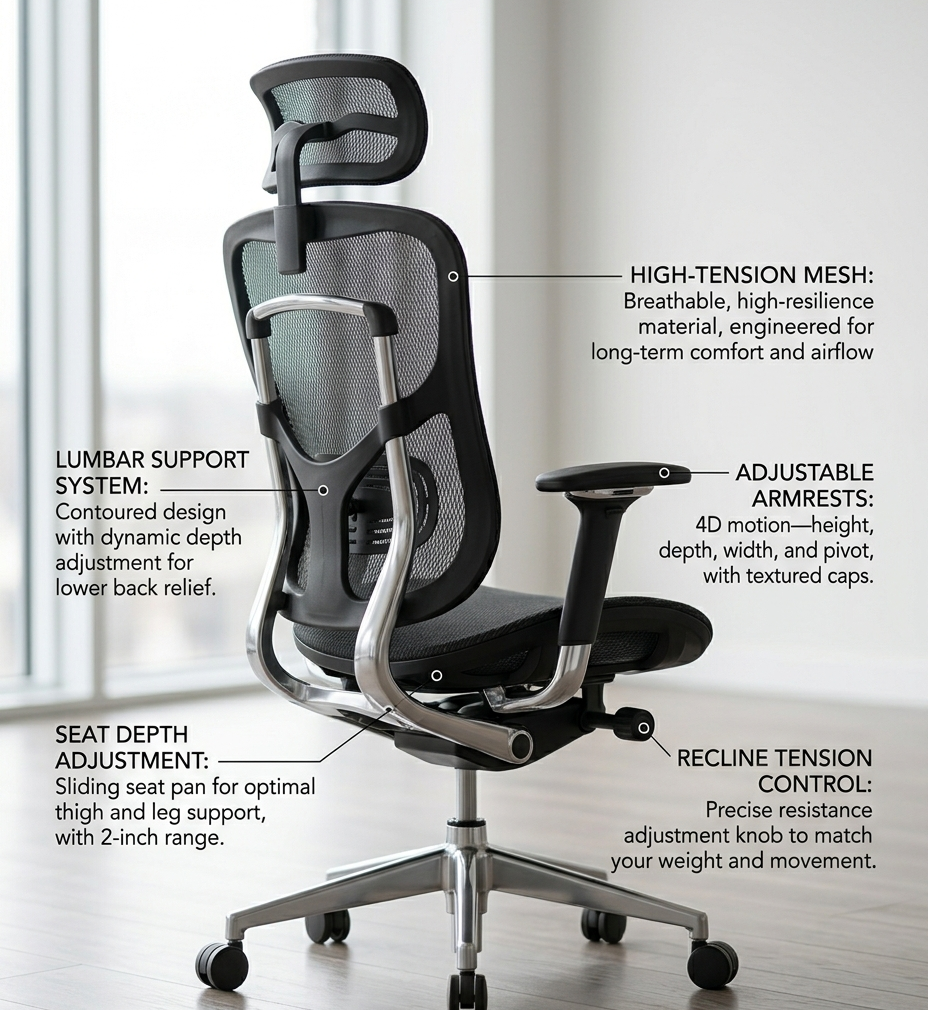
What Actually Makes a Mesh Chair Good for 8+ Hours?
Material is only part of the equation.
OSHA’s workstation guidance emphasizes adjustability, lumbar support, and neutral posture alignment as primary ergonomic factors.
When evaluating mesh chairs for long sessions, prioritize:
- Adjustable lumbar support
- Seat depth adjustment
- Recline tension and tilt lock
- Adjustable armrests (height + width ideally)
- High-tension mesh that doesn’t sag
Cheap mesh stretched over a weak frame will fail quickly.
High-quality mesh integrated into a supportive structure can last years.
How We Evaluated These Chairs
Instead of showroom comfort, we considered:
- Hour 1 feel
- Hour 4 pressure points
- Hour 7 lumbar performance
- Airflow consistency
- Cushion compression (if hybrid seat)
- Long-term durability reports
Long hours reveal weaknesses fast.
Best Mesh Office Chairs for Long Hours
Below are the top categories and models that consistently perform well for extended daily use.
🥇 1. Herman Miller Aeron (Premium Long-Hour Standard)
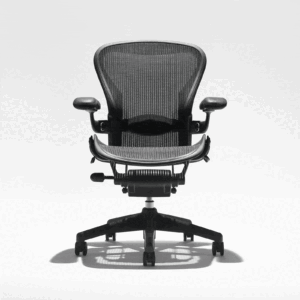
Best for: 8–10 hour professional use
Price Range: High
Why it stands out:
- Tensioned Pellicle mesh (seat + back)
- Zoned lumbar support options
- Multiple size options (A, B, C)
- Excellent airflow
- Strong recline mechanism
The Aeron has been a benchmark in ergonomic design for decades. It’s firm, not plush but that firmness becomes an advantage during long sessions.
The National Institute for Occupational Safety and Health emphasizes proper lumbar alignment and adjustability for prolonged sitting, and this chair is built around those principles.
Downside:
It’s expensive. But it’s built for heavy daily use.
🥈 2. Steelcase Series 2 (Balanced Mid-Premium Option)
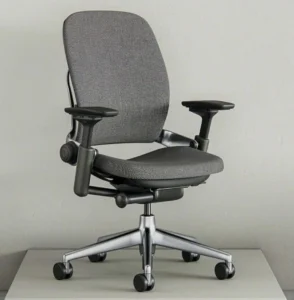
Best for: Professionals wanting adjustability without ultra-premium pricing
Price Range: Mid-High
- Breathable mesh back
- Adjustable lumbar
- Solid armrest customization
- Smooth recline
Slightly softer seat than Aeron, but still supportive.
For 6–8 hour days, it strikes a good balance between firmness and comfort.
🥉 3. Branch Ergonomic Chair (Strong Value Performer)
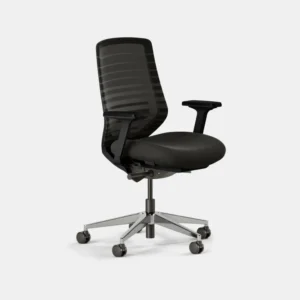
Best for: Remote workers under premium budget
Price Range: Mid
- Adjustable lumbar
- Breathable mesh back
- Smooth tilt
- Clean modern design
While not as structurally robust as high-end models, it performs well for most remote workers.
For 6–8 hours daily, it’s surprisingly capable.
🏅 4. HON Ignition 2.0 (Budget-Friendly Long Session Option)
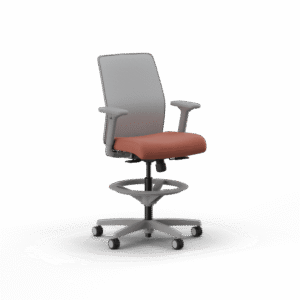
Best for: Budget-conscious buyers
Price Range: Lower-Mid
- Adjustable lumbar
- Seat depth control
- Good airflow
- Durable frame for price
Mesh quality is solid for the range, though long-term durability won’t match premium brands.
For those transitioning from basic office chairs, it’s a noticeable upgrade.
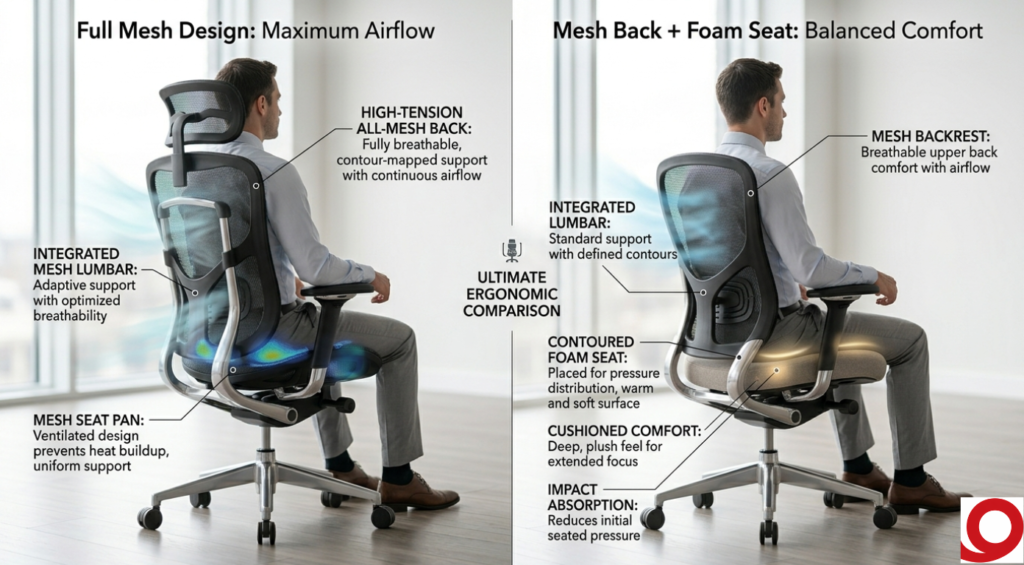
Mesh Seat vs Mesh Back Only
Some chairs feature:
- Mesh back + foam seat
- Full mesh (seat + back)
Full mesh:
- Maximum airflow
- Consistent tension
- No cushion compression
Mesh back + foam seat:
- Slightly softer feel
- Less airflow in seat area
- May compress over years
If you run warm or sit very long hours, full mesh often feels more consistent.
What to Avoid in Cheap Mesh Chairs
Low-cost models often fail in these areas:
- Weak lumbar systems
- Non-adjustable armrests
- Loose mesh tension
- Thin plastic frames
Over time, sagging mesh reduces support and increases spinal strain.
Research indexed through PubMed consistently shows that sustained poor sitting posture increases musculoskeletal stress.
Once mesh loses tension, posture suffers.
Who Should Choose a Mesh Chair?
Choose mesh if:
☐ You sit 6–10 hours daily
☐ You run warm while working
☐ You prefer firm support
☐ You live in a warmer climate
☐ You want minimal maintenance
Mesh performs especially well for programmers, designers, and remote workers.
When Mesh May Not Be Ideal
Mesh may not suit you if:
☐ You strongly prefer plush cushioning
☐ You sit under 4 hours daily
☐ You prioritize executive aesthetics
☐ You work in a very cool environment
In those cases, leather or padded ergonomic chairs may feel more comfortable.
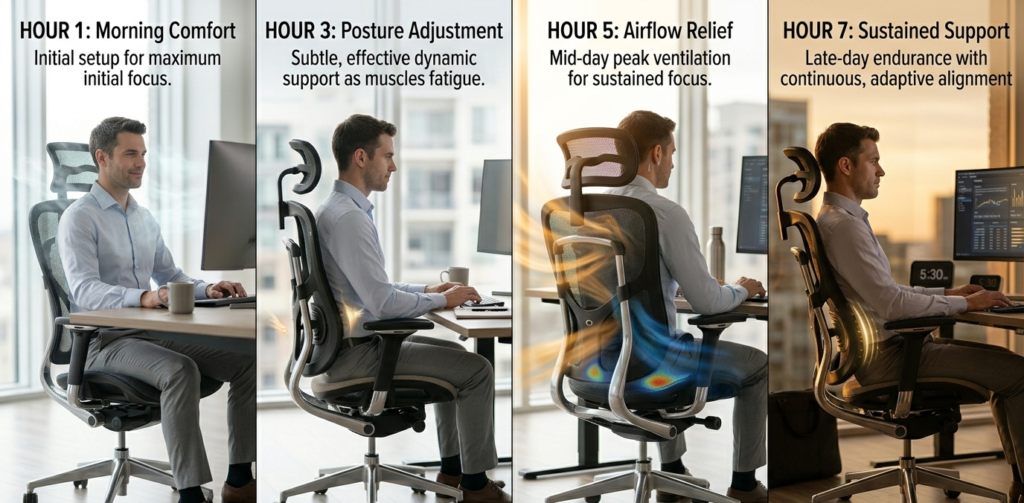
The 8-Hour Simulation
Let’s imagine a real day.
Hour 1 → Comfortable in almost any decent chair.
Hour 3 → Seat depth and lumbar begin to matter.
Hour 5 → Heat buildup becomes noticeable in non-breathable materials.
Hour 7 → Mesh tension consistency becomes valuable.
That’s where premium mesh chairs separate themselves.
They don’t feel dramatic.
They feel steady.
And steady is what long hours require.
Quick Buying Checklist
Before purchasing, confirm:
☐ Adjustable lumbar support
☐ Seat height range fits your desk
☐ Seat depth adjustment (ideal)
☐ Recline tension control
☐ Strong frame and warranty
☐ High-tension mesh
Material alone isn’t enough.
Final Verdict
If you work long hours daily, high-quality mesh chairs usually outperform leather in breathability and consistency.
They may feel firmer at first.
But by month three and hour seven that firmness often becomes an advantage.
Choose adjustability first.
Choose mesh quality second.
Choose brand reputation third.
That order protects your back and your investment.
FAQ
Are mesh office chairs good for long hours?
Yes, especially high-quality models with adjustable lumbar support and strong mesh tension. Breathability makes them ideal for extended sessions.
Do mesh chairs sag over time?
Low-quality mesh can sag. Premium mesh chairs are engineered to maintain tension for years.
Are mesh chairs better for back pain?
They can be, provided they offer proper lumbar adjustability and seat depth control. Structure matters more than material alone.Is mesh more durable than leather?
High-quality mesh can last many years. Leather durability depends on maintenance and material quality.